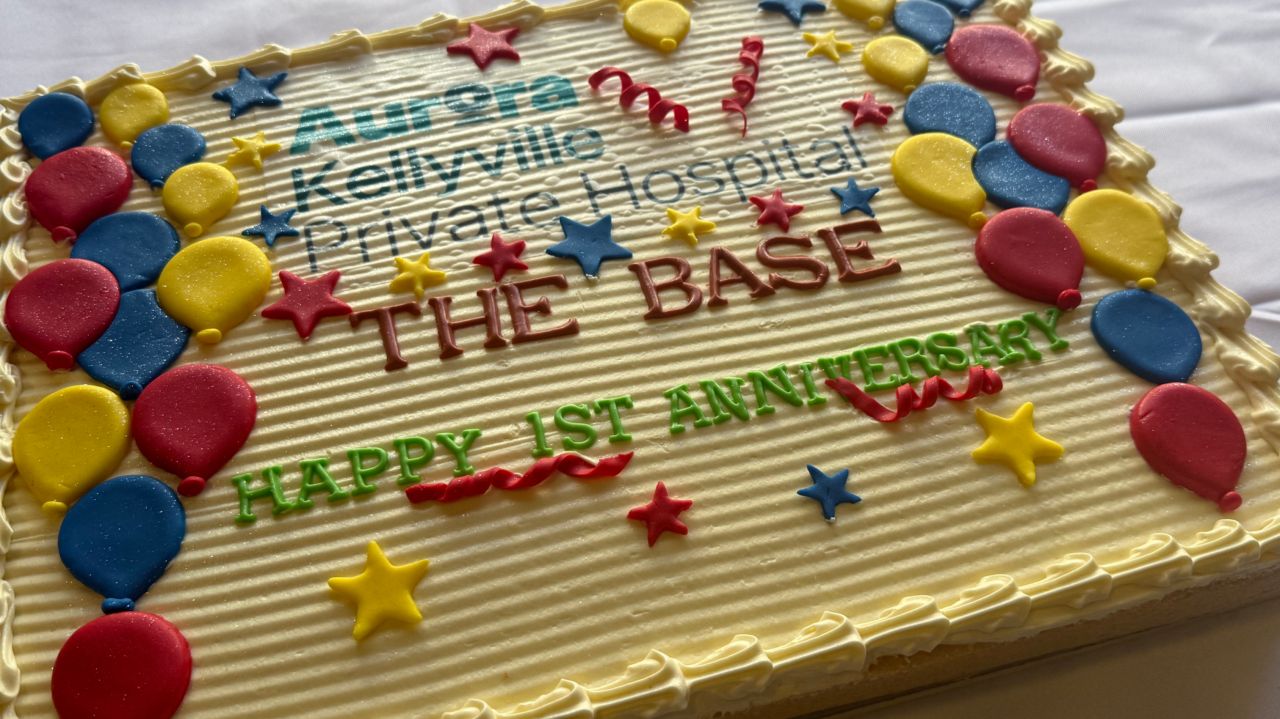
One Year On: The Base Marks 12 Months of Supporting Veterans, Defence Personnel and First Responders
Since welcoming its first patients in July 2025, The Base has provided culturally aware, recovery-focused mental health treatment designed to recognise the unique experiences of those who have served their communities and country.
Why The Base Was Created
The concept for The Base emerged in 2024 in response to a growing need for specialised mental health support for veterans, Australian Defence Force personnel, and first responders.
Many people who have served in the military, emergency services, law enforcement or frontline response roles experience challenges that require more than a standard mental health program. Experiences such as trauma exposure, operational stress, transition to civilian life, and the culture of service can have a significant impact on mental wellbeing.
The Base was developed to address these needs through a dedicated program that combines evidence-based treatment with a deep understanding of military and first responder culture.
A Dedicated Environment for Recovery
One of the defining features of The Base is its dedicated ward environment and cohort-specific approach.
Participants receive care alongside others who share similar lived experiences, helping to create a supportive and understanding therapeutic environment. This model helps foster connection, reduce isolation and build trust throughout the recovery journey.
The program provides support for people living with:
- Post-traumatic stress disorder (PTSD)
- Substance misuse and addiction
- Anxiety disorders
- Depression
- Trauma-related mental health challenges
- Service and transition-related adjustment difficulties
Building Strong Community Connections
Over the past 12 months, The Base has strengthened its connection with veteran, defence and first responder peer support organisations.
These partnerships help ensure participants have access to ongoing support beyond their hospital stay, creating stronger pathways for long-term recovery and wellbeing.
The feedback received throughout the first year has reinforced the importance of having a program that understands the unique challenges faced by those who have spent their careers serving and protecting others.
Reflecting on a Meaningful First Year
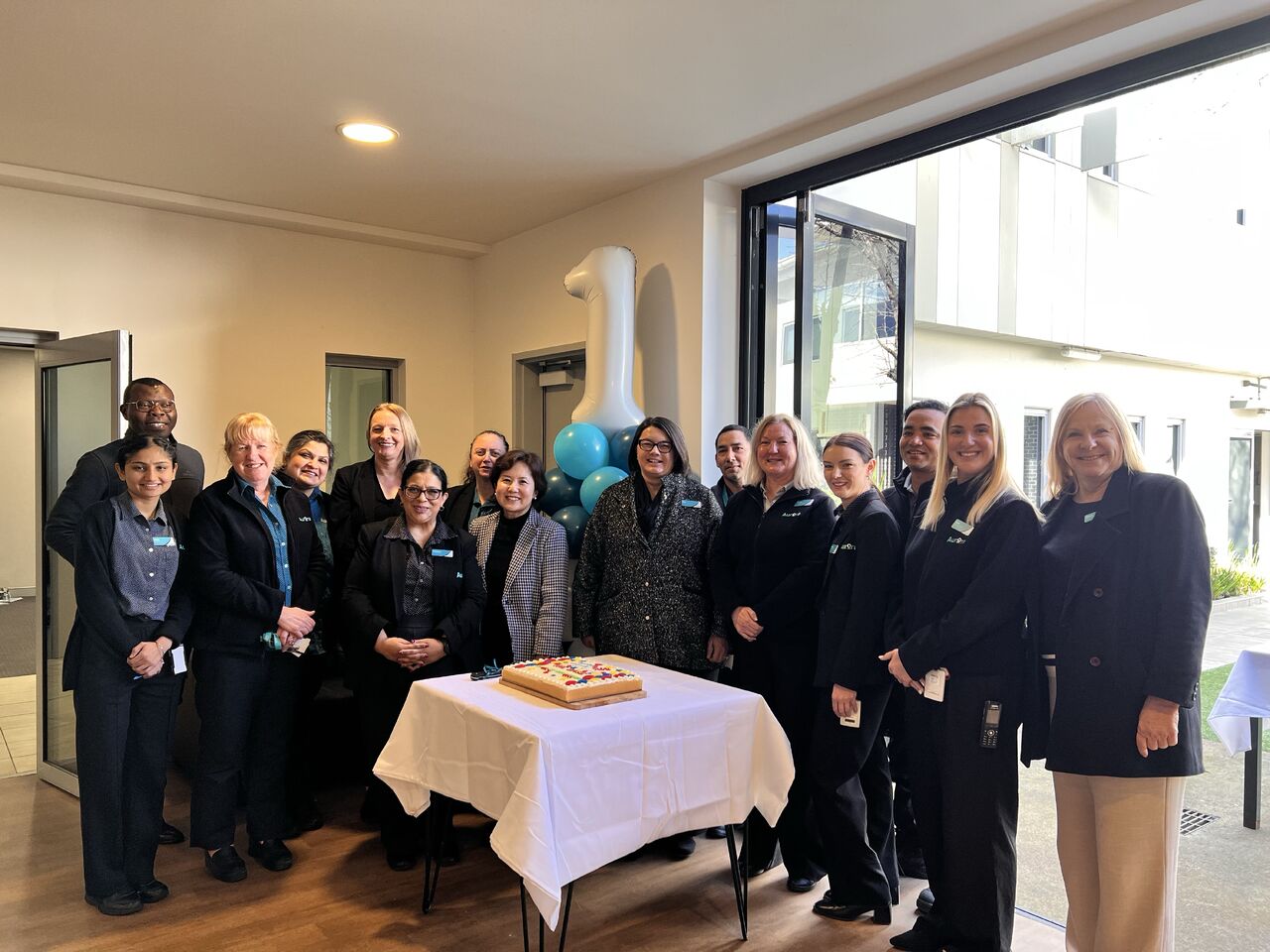
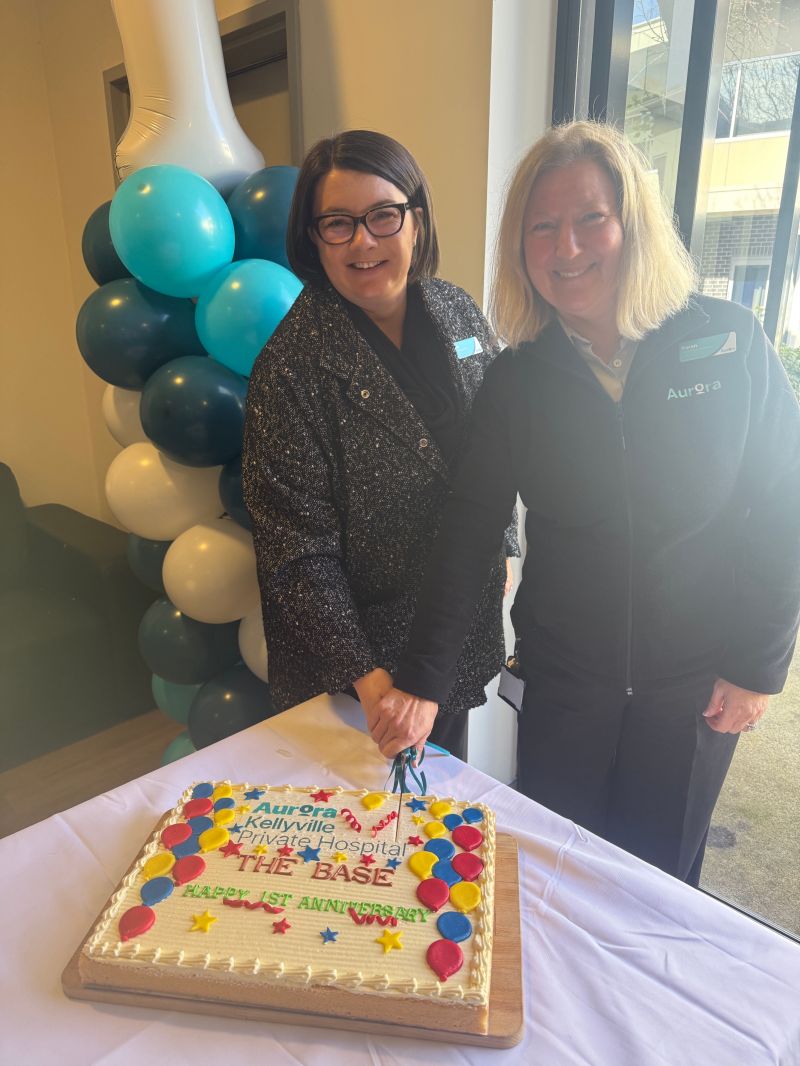
As The Base marks its first anniversary, we acknowledge the clinicians, peer support organisations, veterans, defence personnel, first responders and families who have helped shape the program.
Together, they have built a service grounded in respect, understanding and recovery.
While this milestone represents a significant achievement, it is also a reminder of the ongoing need for specialised mental health services that support those who have dedicated their lives to helping others.
Looking Ahead
Kellyville Private Hospital remains committed to providing high-quality mental health care for veterans, defence personnel and first responders.
As The Base enters its second year, we look forward to continuing to support recovery, resilience and wellbeing for those who have served their communities and country.