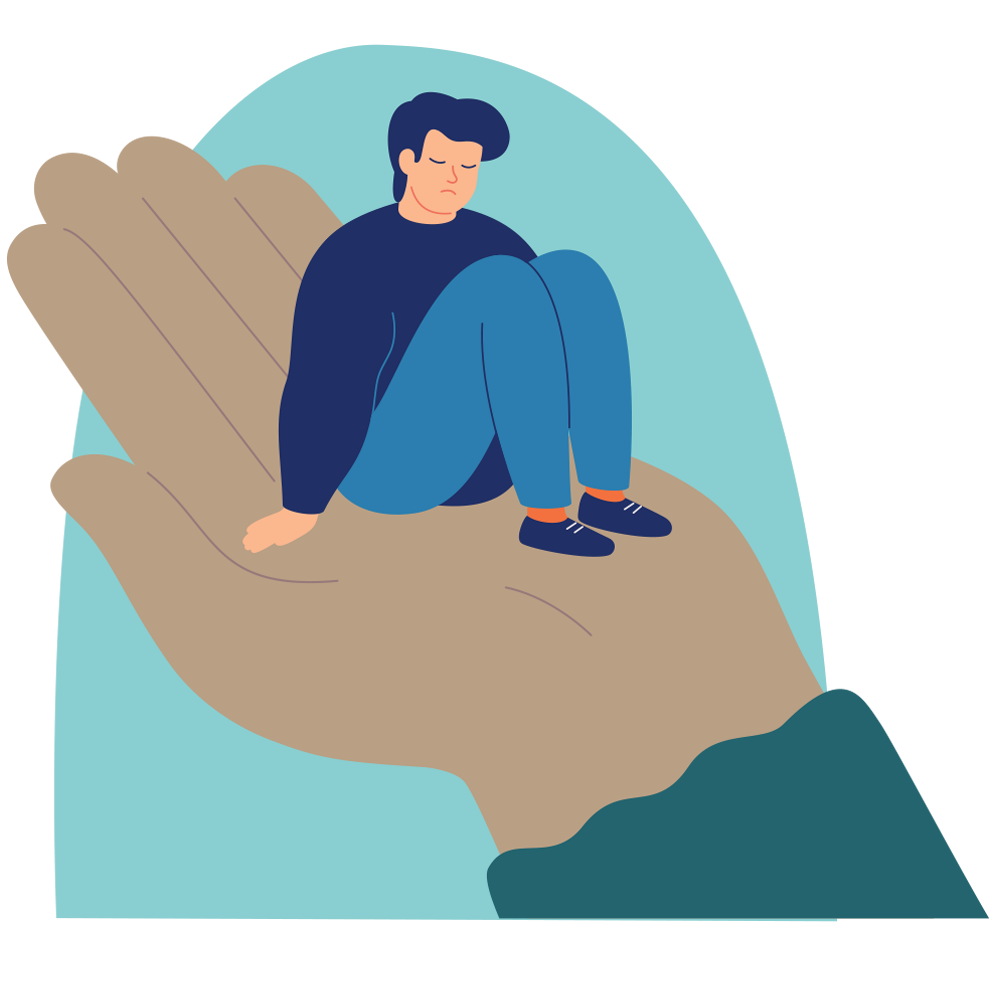
If you are living with a mental health condition or are in recovery from alcohol or other drugs, it can help to think ahead about the support you may want.
You do not have to wait until things feel difficult. Making a simple plan now, while you feel steady, can give you something to return to later.
Why plan before a crisis?
It is much easier to think clearly and make good choices when you are calm than in the middle of a difficult night. A plan you wrote in advance, with people who support you, gives you something to reach for when things feel overwhelming.
Planning ahead also takes care of practical issues. Appointments fill up, your usual doctor may be away and pharmacies and services can have reduced hours over the break.
A slip is not a failure
It helps to know the difference between a lapse and a relapse. A lapse is a short slip, followed by a clear return to your goals. A relapse is a return to previous levels of use.
How you respond to a slip matters. Guilt and self-blame can make it more likely that someone keeps using as a way to cope. Recovery often takes more than one attempt, and a setback is a chance to learn what triggered it, not proof that you have failed.
What to put in your plan
Your plan does not need to be long. A single page, written with your GP or support person, is a good start. Many people include:
- Your triggers. The people, places, situations and feelings that make things harder, including holiday gatherings.
- Your early warning signs. Changes in sleep, mood, cravings or how much you are using. A trusted person may notice these before you do.
- What helps. Things that have worked for you before, and how you will step away from situations that feel unsafe.
- Who to call. People you can contact, and who has your permission to check in on you.
- The practical stuff. Prescriptions and medication supply, appointment dates before and after the break, and which services are open when.
- What to do after a slip. Reach out early, go back to your plan and book a check-in. No shame required.
- Where to get urgent help. Emergency and crisis contacts, written down somewhere you can find them.
Start with your GP
Your GP can help you build a plan, review your medication, and connect you with other supports. If you have a mental health condition or a substance use concern, ask whether a care plan could help coordinate your support. Booking a planning appointment before the holidays and a check-in soon after, is a good way to stay on track.